+91 87080 66116
info@omnikavvach.com


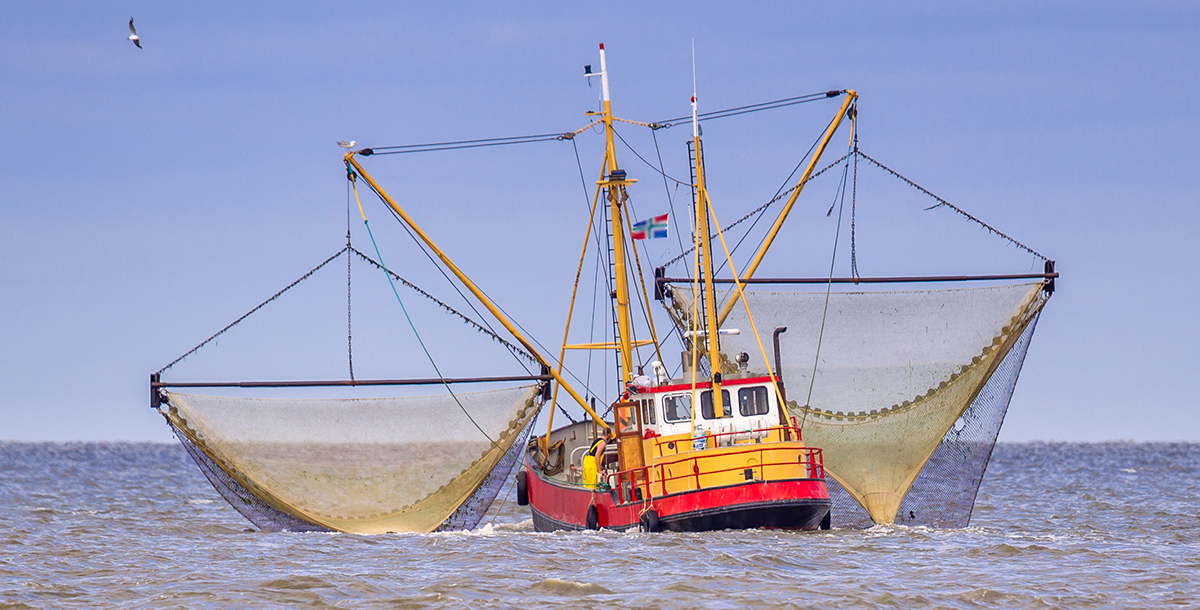
The Fisheries & Fishing Industry plays a vital role in global food supply chains, supporting millions of livelihoods and economies worldwide. From small-scale artisanal fishing operations to large-scale commercial fisheries and aquaculture businesses, this industry is integral to providing sustainable seafood and supporting coastal communities. However, the fishing industry is exposed to a wide variety of operational risks, including unpredictable weather, equipment failures, market fluctuations, environmental changes, and geopolitical challenges. These risks make specialized insurance solutions essential for businesses to protect their assets, operations, and employees.
The dynamic and often unpredictable nature of the fishing industry creates a complex risk landscape. Whether related to risks at sea, financial uncertainties, environmental challenges, or labor risks, insurance provides the foundation for resilience. Tailored insurance products can enable operators to respond to unforeseen events, recover from losses, and ensure the stability of their operations in a volatile market.
Key Risks Facing the Fisheries & Fishing Industry
The fisheries and fishing industry faces numerous operational, environmental, financial, and labor-related risks that can have far-reaching effects. Understanding these risks is essential for tailoring insurance programs and developing risk management strategies:
The fishing industry is highly dependent on weather conditions, with storms, hurricanes, floods, and other natural disasters posing risks to vessels, crews, and fishing equipment. Such events can lead to financial losses, operational disruptions, and even catastrophic damage.
To thrive in today’s volatile operating environment, the fisheries and fishing industry must adopt proactive risk management strategies. These strategies can enhance operational resilience, minimize exposure to risks, and ensure business continuity:
Utilize advanced meteorological tools and navigation technologies to monitor weather conditions, reducing exposure to storm-related risks.
Ensure that all vessels and machinery are properly maintained and inspected to prevent mechanical failures that can lead to costly delays or accidents.
Invest in regular safety training for crews, equipping them with knowledge to manage risks at sea effectively.
Adopt sustainable fishing and aquaculture methods to ensure long-term environmental resilience and compliance with international conservation agreements
Reduce dependency on a single market by diversifying trading routes, partnerships, and product offerings.